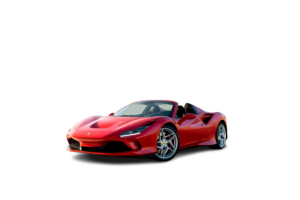
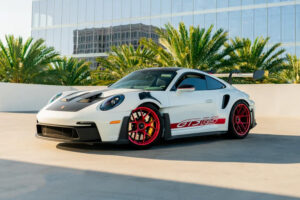
A luxury vehicle can transform an ordinary photography session into a highly visual creative project. Its shape, materials, finishes, and details create opportunities for polished content across portfolios, social media, editorial features, and commercial campaigns. For Southern California creators, Los Angeles luxury car rentals can provide vehicles suited to different visual concepts.
The vehicle is only the starting point. Strong automotive photography depends on creative direction, composition, lighting, location, equipment, and careful handling.
Start With the Creative Direction
Before selecting a vehicle, establish what you want the images to communicate.
A sophisticated campaign may benefit from clean surroundings and a refined vehicle. A performance-focused project might call for dramatic perspectives and an energetic environment. Lifestyle content can place the car within a broader story involving architecture, fashion, travel, or Southern California scenery.
Defining the creative direction beforehand can give the session greater consistency. PetaPixel’s automotive photography survival guide similarly recommends identifying what draws you to automotive photography, whether that is vehicle design, engineering, motorsport, or another aspect of automotive culture.
Choose a Vehicle That Fits the Concept
Different vehicles create different visual impressions.
Sports cars work well with low angles that emphasise their stance, wheels, and aerodynamic lines. Luxury sedans and grand tourers may suit editorial images focused on proportion, craftsmanship, and interior details.
Colour also affects composition. A bright exterior can become the central element against a simple background, while a neutral finish may allow the surroundings to play a larger role.
The best vehicle is not necessarily the most recognisable one. It is the one that supports your visual story.
Build the Shoot Around Light
Lighting can dramatically change the appearance of a vehicle.
Early morning and late afternoon often provide softer, directional light that reveals body contours without harsh overhead shadows. Overcast conditions can also work well because diffused light creates more even reflections across paint and glass.
Check lighting conditions before arriving. Knowing where the sun will be positioned can help you choose camera angles and make better use of your rental time.
Make the Location Part of the Image
The background should support the vehicle rather than compete with it.
Los Angeles offers modern architecture, industrial textures, coastal scenery, elevated viewpoints, and distinctive neighbourhoods. A contemporary building can create a sophisticated setting, while a coastal road can give the same vehicle a relaxed lifestyle character.
Consider what the environment contributes to the story. Check parking restrictions, traffic, safety, and photography permissions before setting up.
Use the Right Photography Equipment
Automotive photography presents challenges that make equipment selection important. A circular polarising filter can reduce certain reflections from paint and glass while providing greater control over glare.
A selection of lenses provides flexibility. A wider lens can capture the vehicle within its surroundings, while a telephoto lens can isolate details or compress the background.
You do not need the most expensive camera. Understanding your equipment matters more than owning professional-grade gear.
Capture More Than the Full Vehicle
Full-car photographs are only one part of a successful automotive shoot.
Close-up images of headlights, wheels, grilles, badges, stitching, controls, carbon-fibre components, and interior materials provide variety. These details can communicate craftsmanship and create additional content for social platforms.
Experiment with distance, height, focal length, and framing. Low perspectives can emphasise the vehicle’s presence, while higher viewpoints can show its relationship with the environment.
A varied shot list is more useful than producing dozens of nearly identical photographs.
Manage Reflections Carefully
Reflective surfaces are among the biggest challenges in automotive photography.
Paint, glass, chrome, and polished trim can capture buildings, people, equipment, and surrounding objects. Some reflections add depth, while others distract from the vehicle.
A polarising filter can help manage certain reflections, but positioning remains crucial. Moving the camera or vehicle slightly can change what appears across the bodywork.
Inspect the vehicle through the camera before taking the final shot. Small adjustments can produce cleaner compositions.
Protect the Vehicle During the Session
A rented exotic car requires careful handling throughout the shoot.
Keep cameras, bags, tripods, and other equipment away from painted surfaces. Avoid leaning against the vehicle, and keep food, drinks, and abrasive materials away from the exterior and interior.
Rough ground, loose gravel, narrow spaces, and crowded areas can increase the risk of accidental damage. Safety also matters during driving photography. Never place yourself or equipment where moving vehicles could create unnecessary risk.
Plan the Session Efficiently
Preparation matters when the vehicle is rented specifically for photography.
Create a short list before collecting the car and group nearby locations together. Allow time for parking, setup, traffic, and changing light. Attempting too many locations can leave you rushing through important shots.
An assistant can help manage equipment, positioning, surroundings, or reflectors while the photographer concentrates on composition.
Create Content for Multiple Platforms
One well-planned automotive session can generate more than a single hero image.
Wide photographs can work for websites and editorial features, while vertical compositions can suit social media. Interior and detail photographs can add variety to a content calendar.
If permitted by the rental agreement, short video clips can provide additional material. Exterior details, interior features, controls, and controlled drive-by footage can complement still photography.
Conclusion
Successful automotive photography is about more than placing an expensive vehicle in front of a camera. The strongest results come from combining the right car with a clear concept, suitable lighting, thoughtful composition, and an appropriate location.
Plan before collecting the vehicle, prepare your equipment and shot list, confirm photography requirements, protect the car, and capture enough variety for different content formats.
Ready to shape your next automotive shoot around the right vehicle? Browse the Los Angeles luxury car rental options at Monza Exotics and choose a vehicle that complements your creative direction.
Frequently Asked Questions
Can I use a luxury rental for professional photography?
It depends on the rental agreement and intended use. Commercial or paid photography should be discussed with the rental provider beforehand.
What is the best time for automotive photography?
Early morning and late afternoon often provide softer light. Overcast conditions can also work well because they reduce harsh highlights and shadows.
What equipment is useful for luxury car photography?
A camera with manual controls, suitable lenses, a tripod, and a circular polarising filter can be useful. Equipment should match the shoot’s purpose.
How can I reduce unwanted reflections?
Adjust the position of the camera or vehicle and consider using a polarising filter. Careful positioning can significantly improve reflections.
Can I take a rental vehicle to multiple photography locations?
This depends on the rental agreement. Confirm permitted travel areas and location restrictions before planning a multi-location shoot.